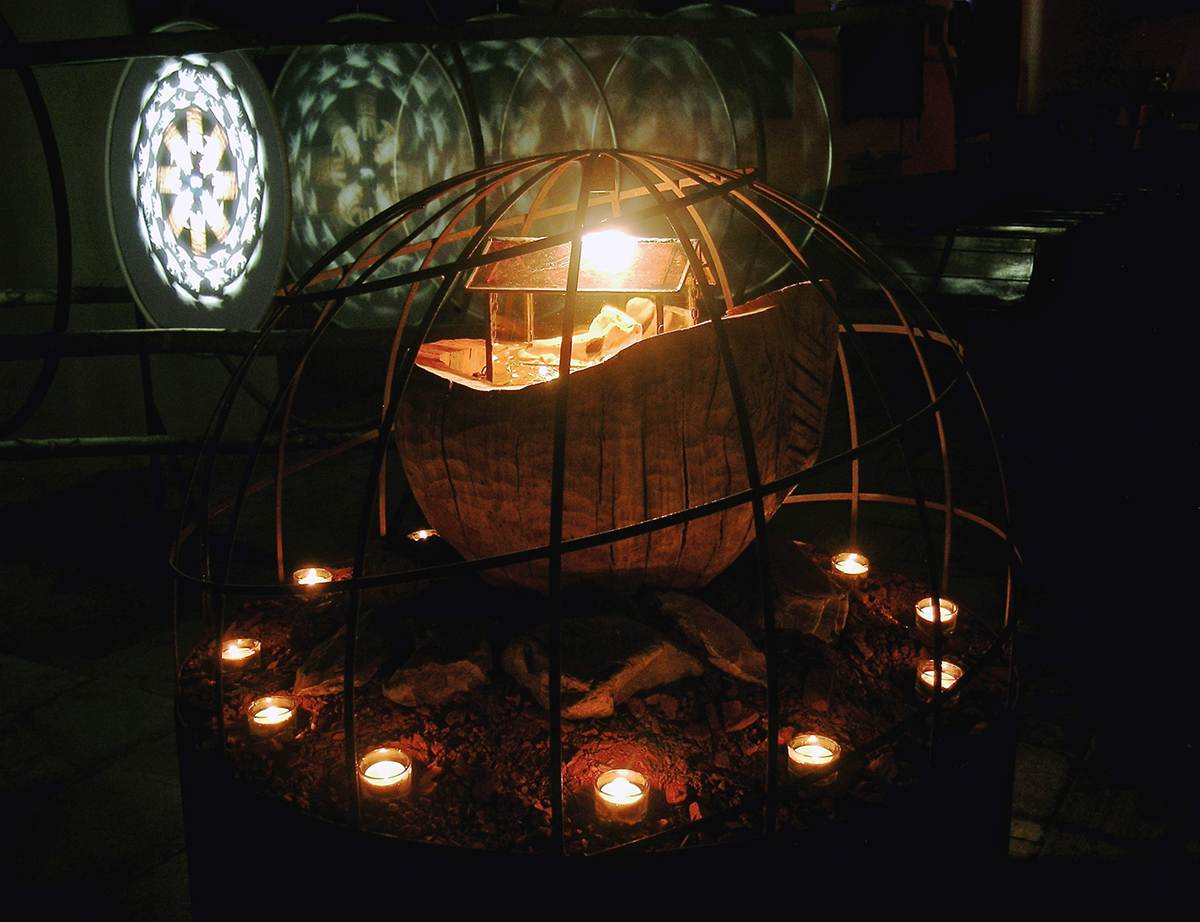
The Cave Hunters And The Truth Machine is an exploration of how we form truth. It highlights the advantages of being adaptable within an ever-changing universe and the need to consider our place within an expanded time frame. It’s the output of an extended collaboration with conservation palaeobiologist Professor Danielle Schreve.
It takes as its focus a narrative charting the emergence of contemporary climate science from the Old Testament mythology of Noah’s Flood: so one beginning (or ending) in our moment, taking in a paradigm shift in the nineteenth century and stretching back through many millennia to what might be termed our ‘Dreamtime’. This is a story founded on animal bone – and the ways in which humans use it to travel through time in search of answers.
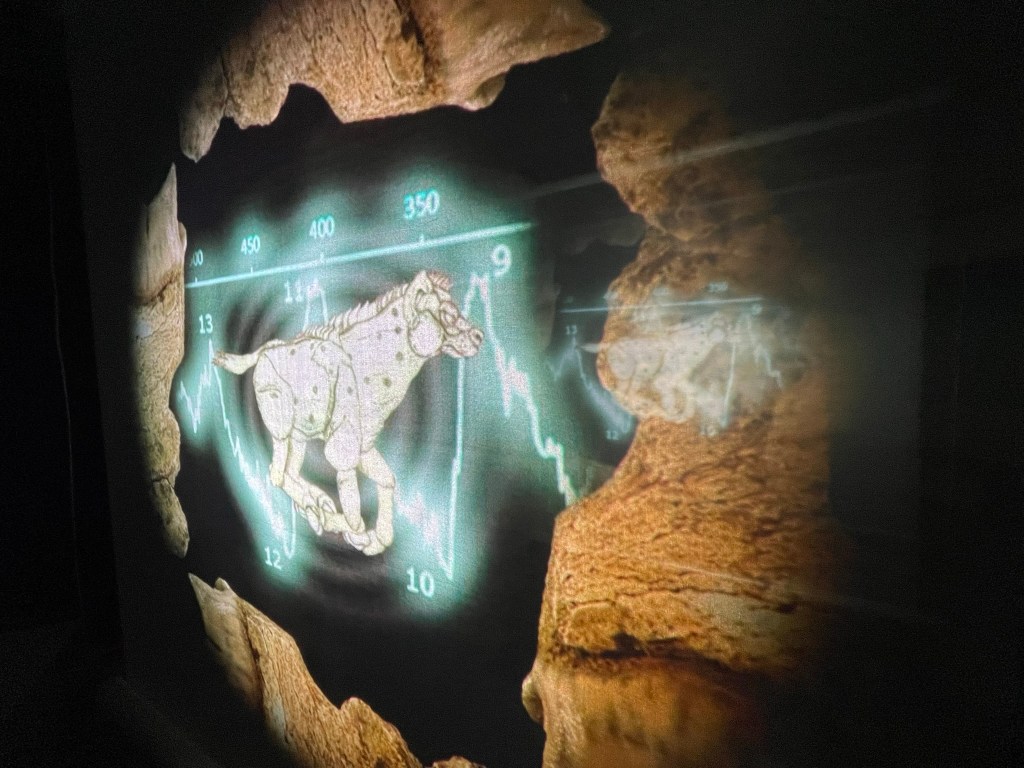
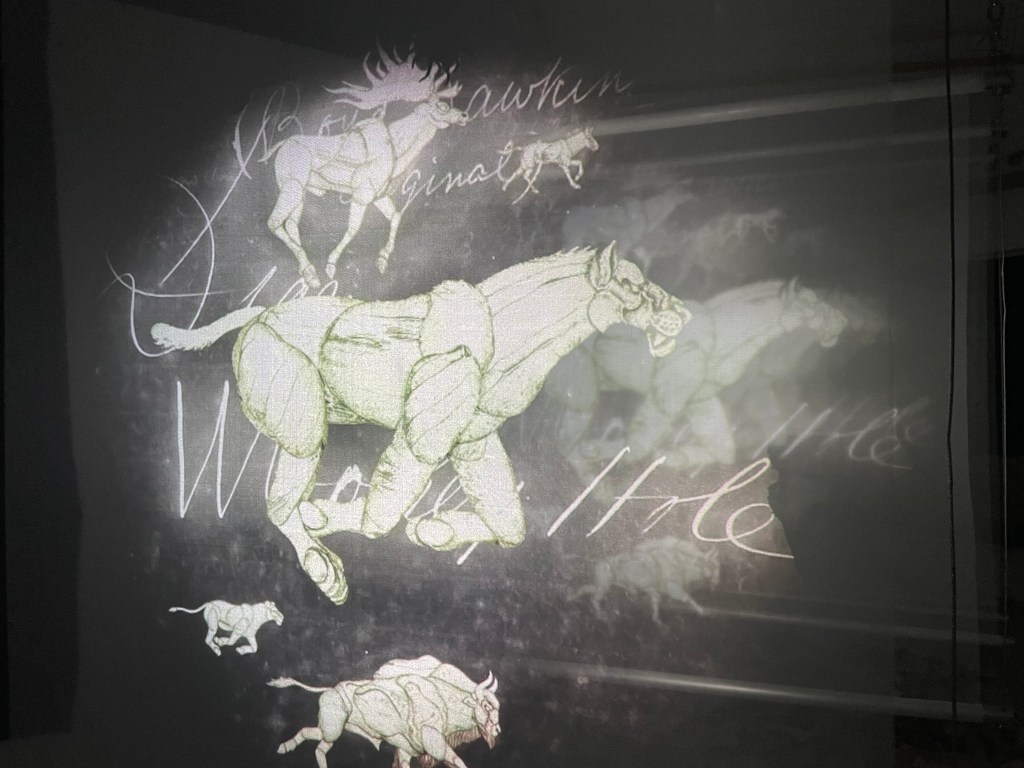
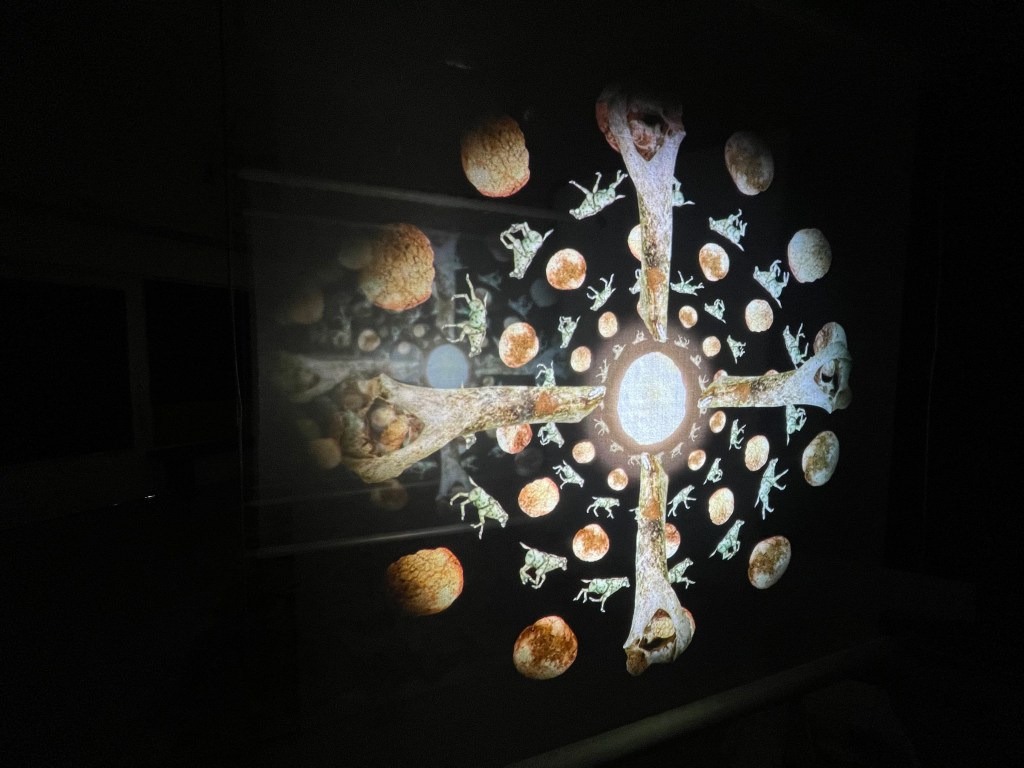
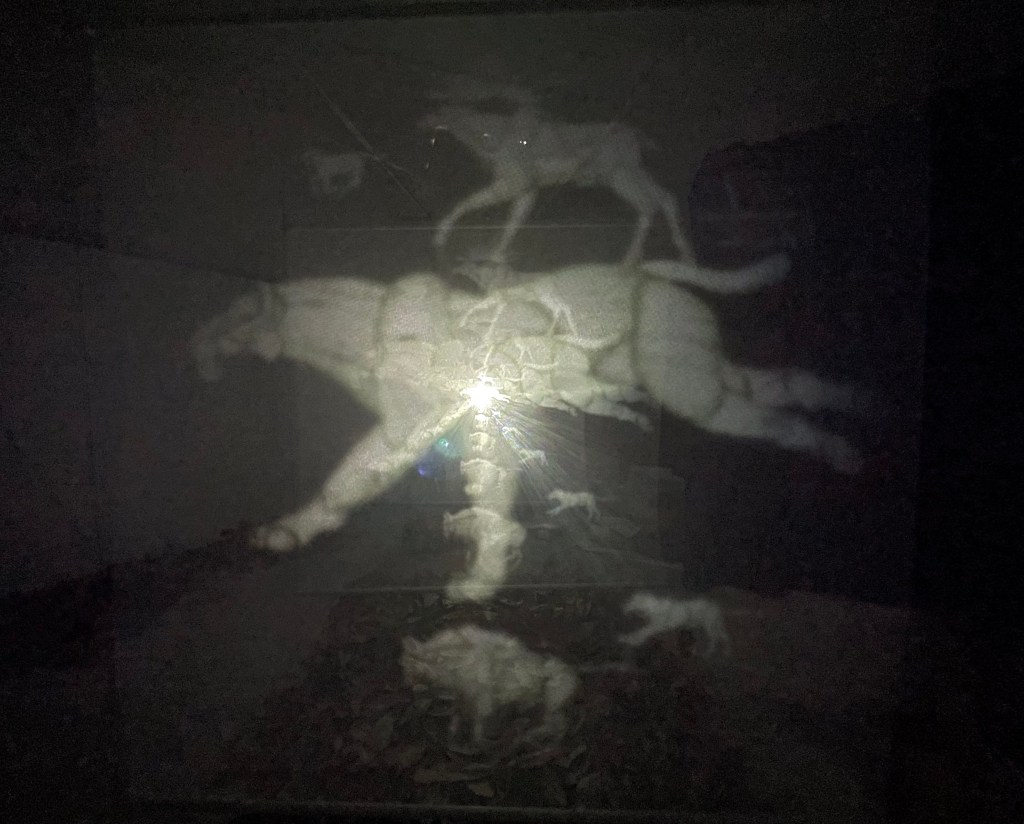
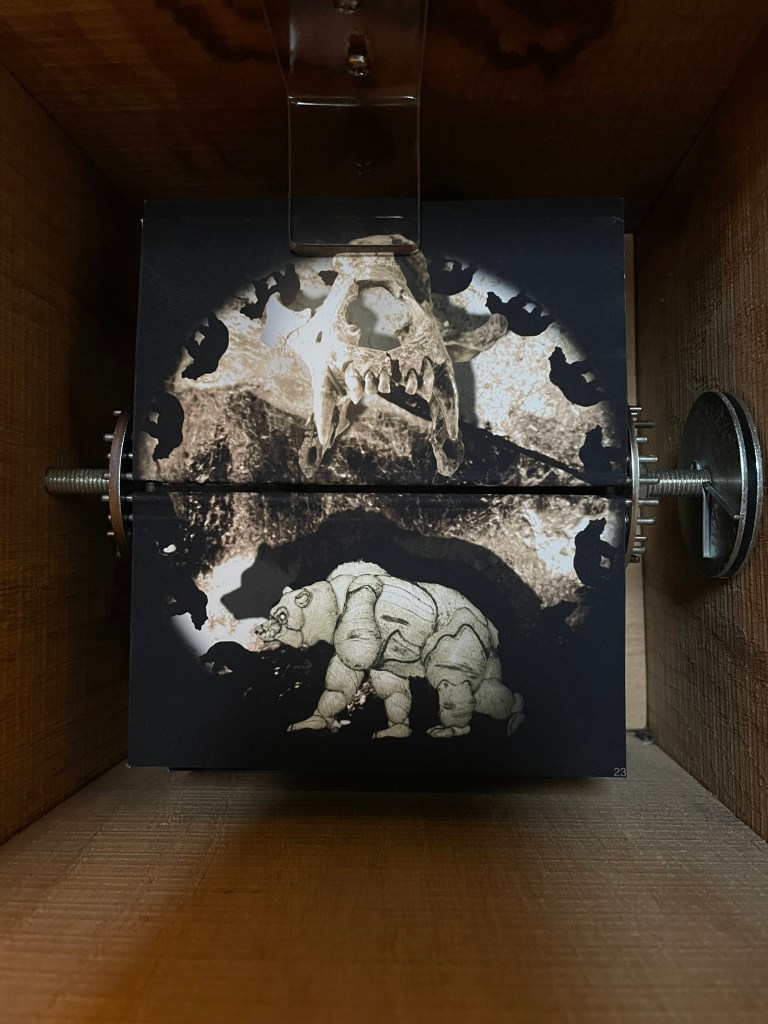
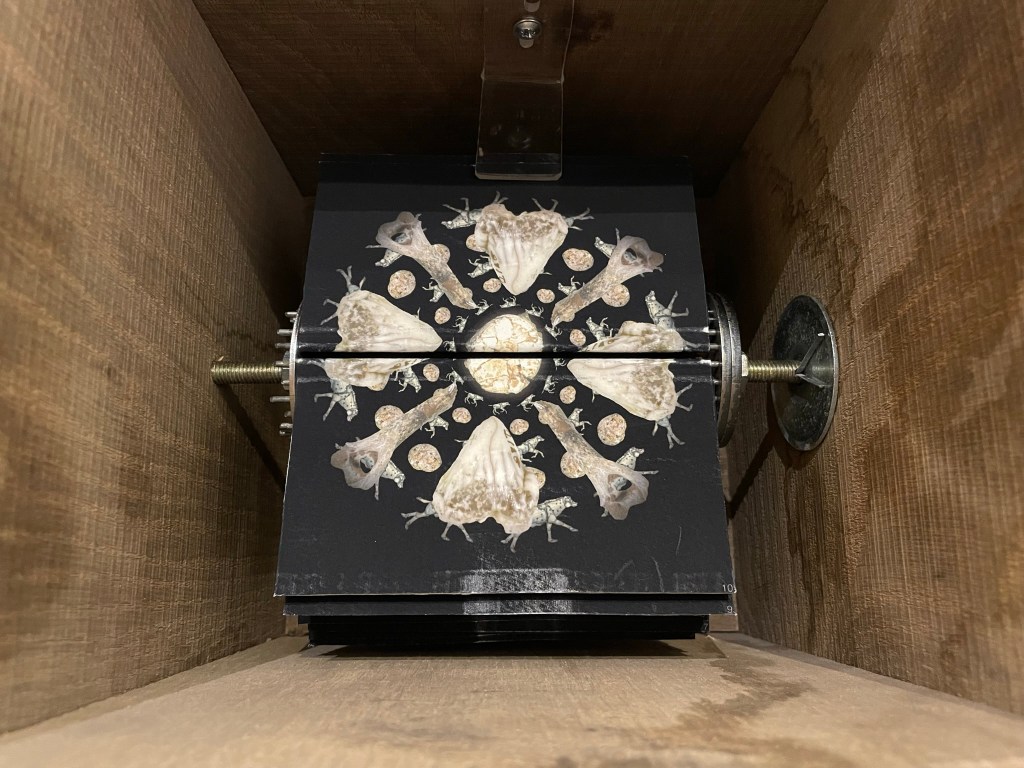
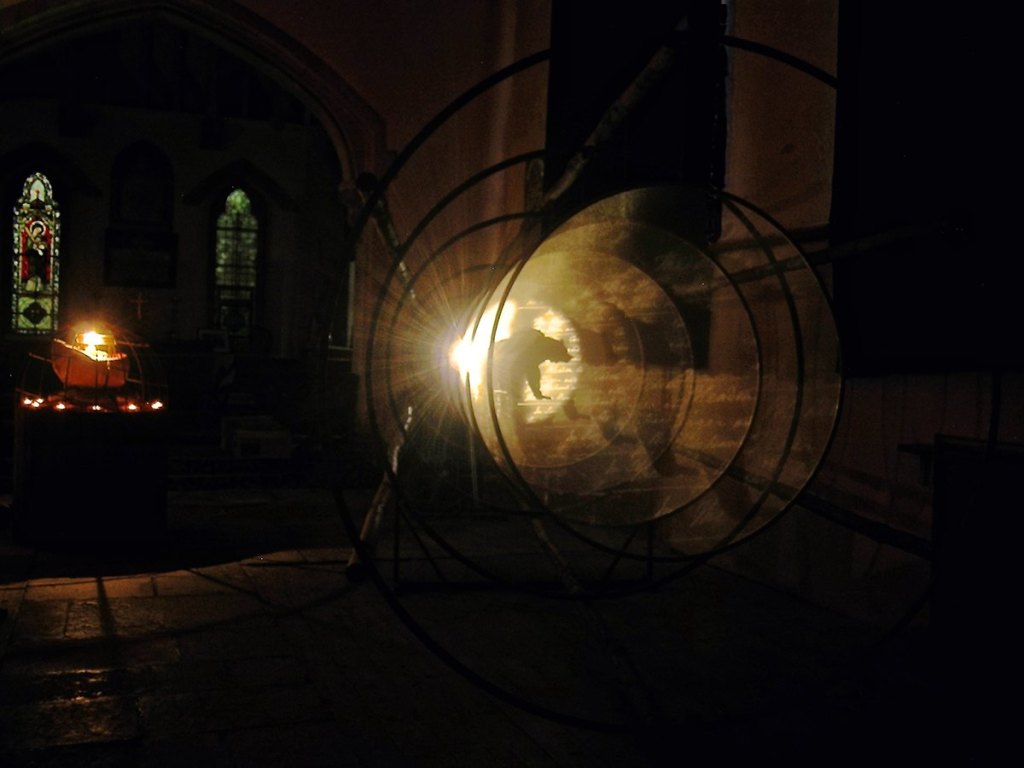
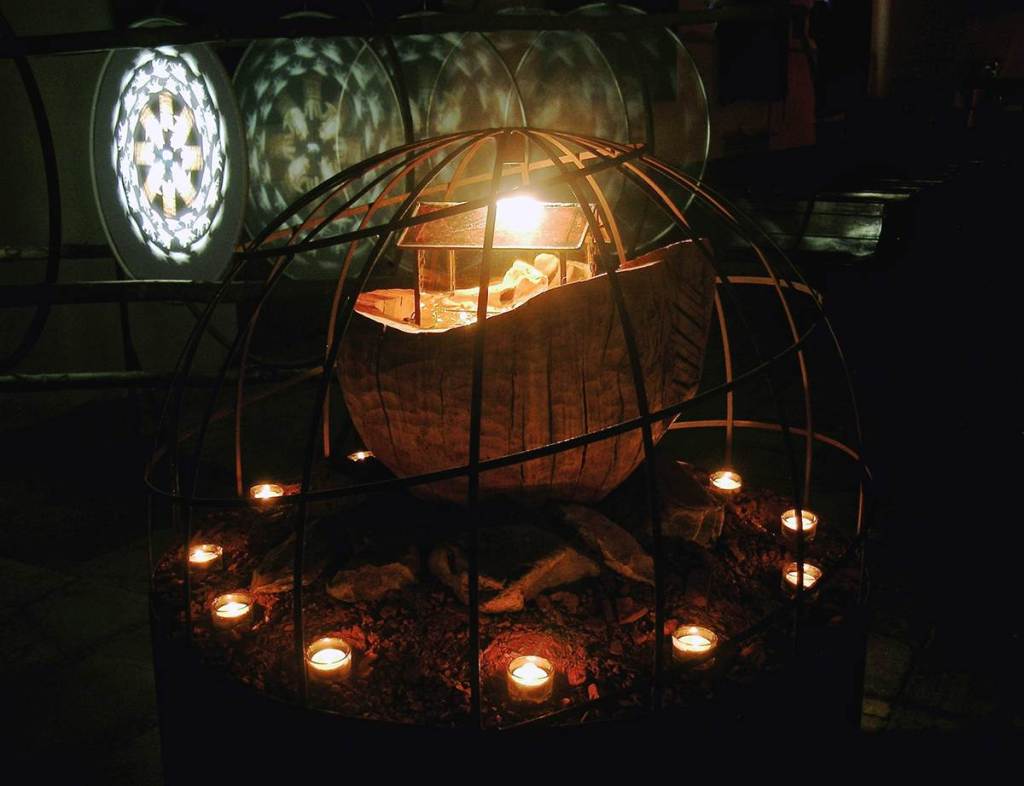
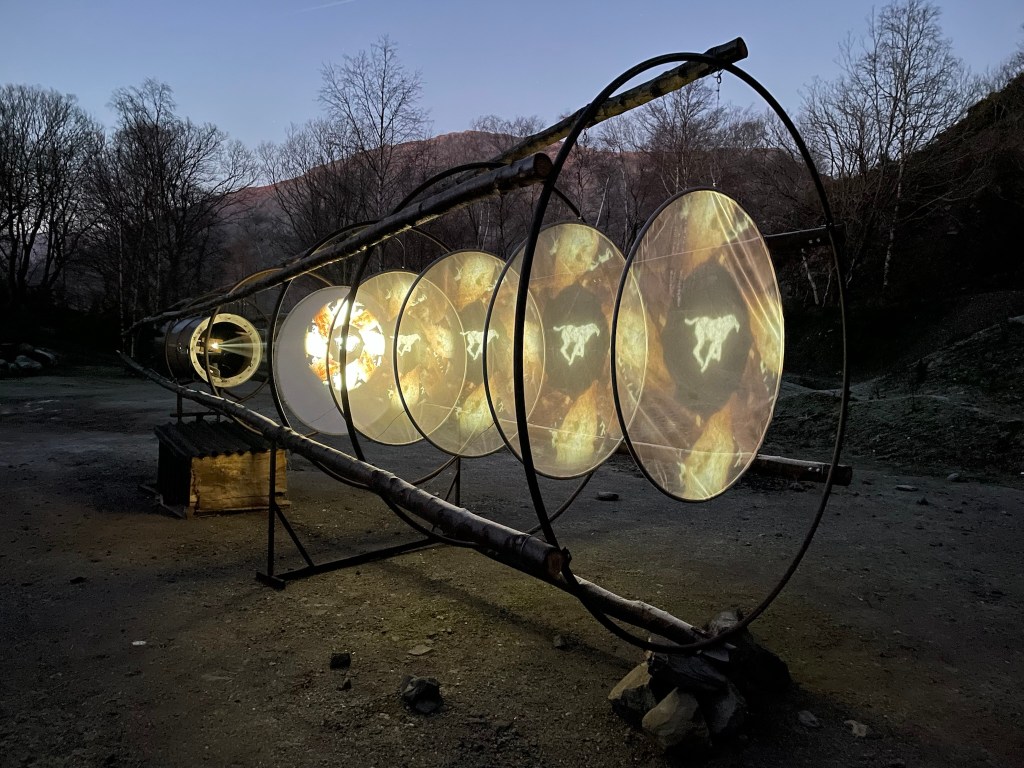
Its first iteration in 2017 was a flipbook-box installation Playing With Time, created for the Balch Room at the Wells and Mendip Museum. In 2019 a digital projection was commissioned by Eye View Festival, Torbay as the centrepiece of an installation in All Saints Church, Brixham which is near to Windmill Hill Cave, a significant location both within the narrative of the work and the evolution of modern science. The entire project was showcased in an exhibition in the Emily Wilding Davison Gallery at Royal Holloway University London in 2024.
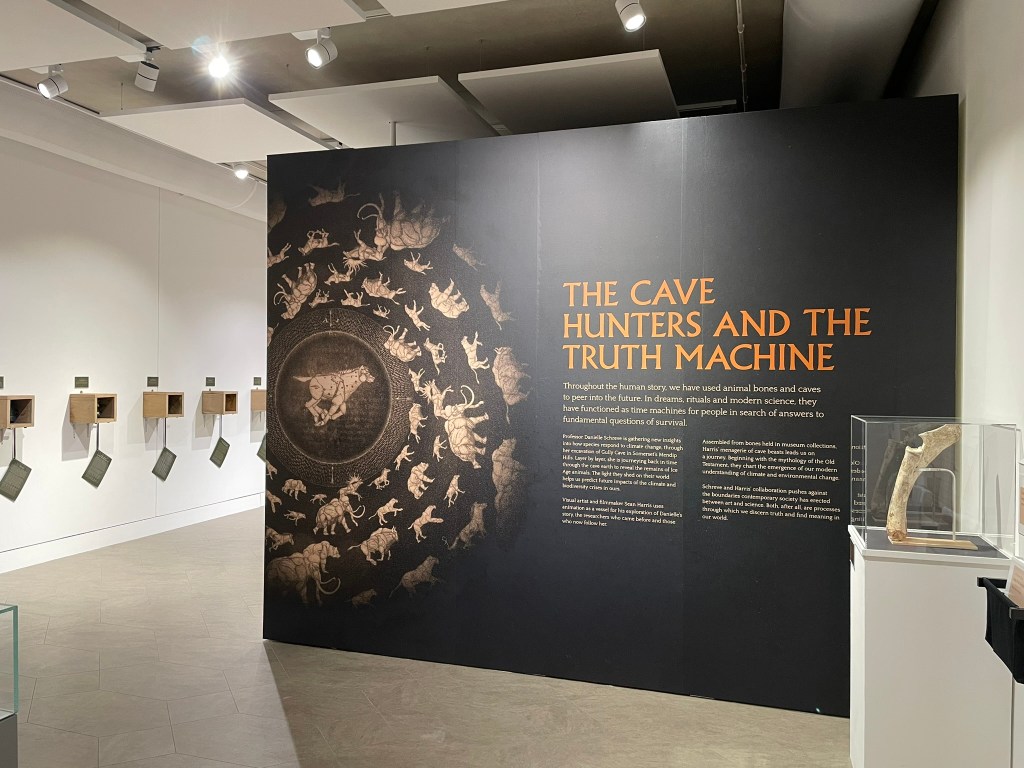
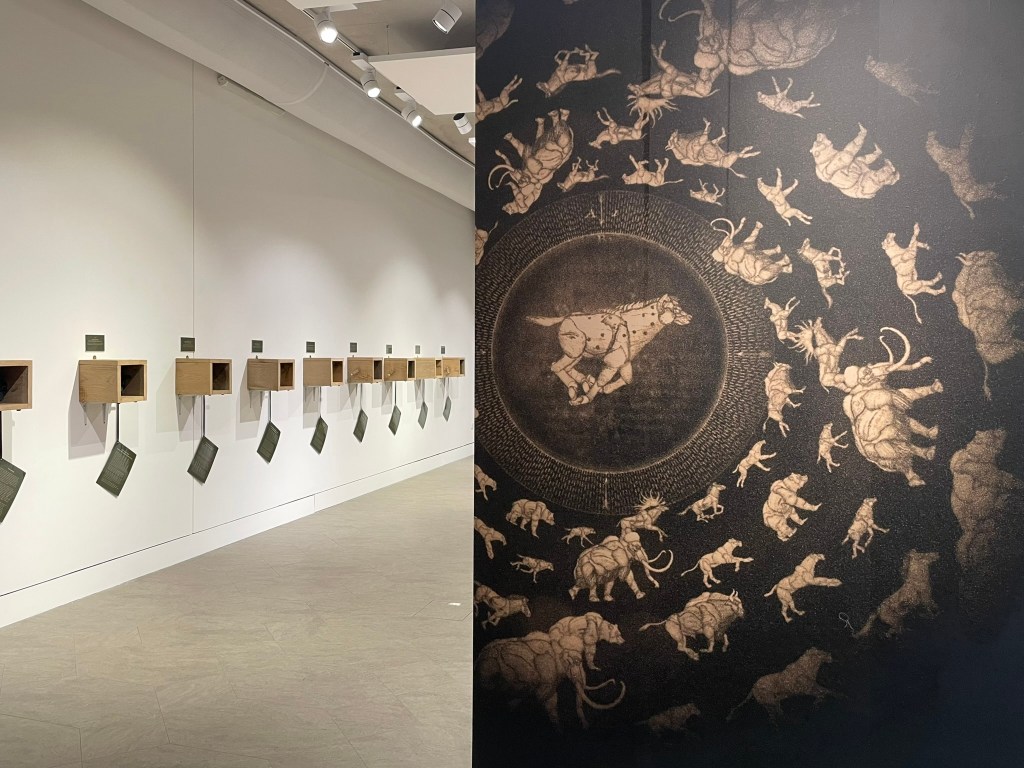
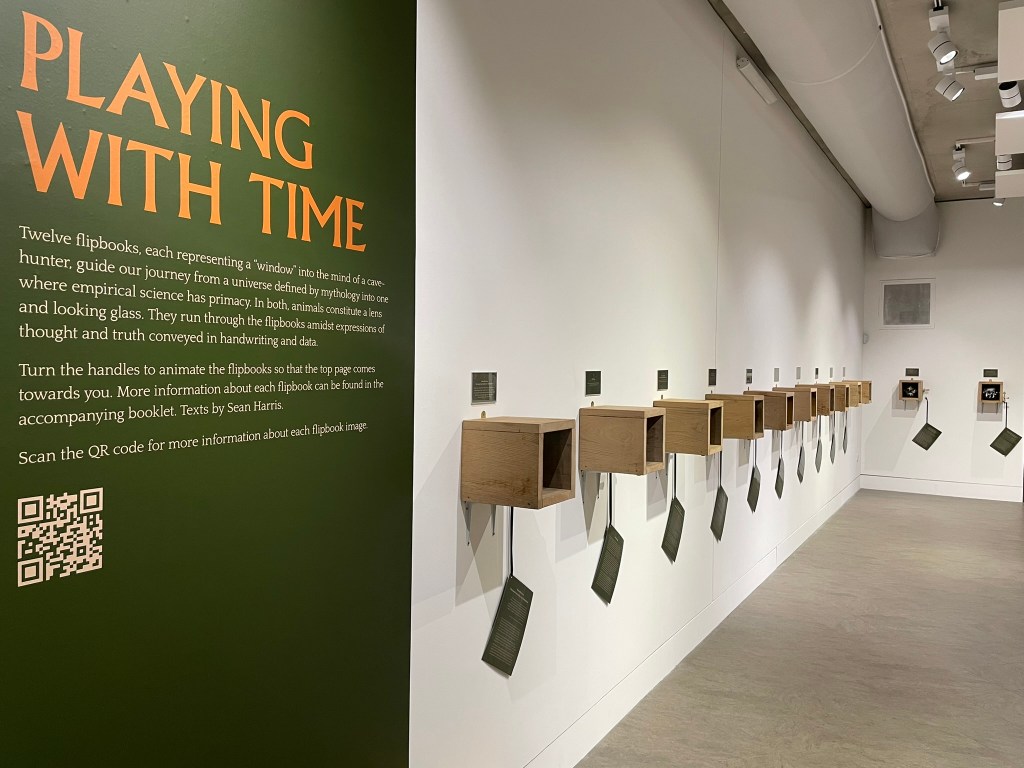
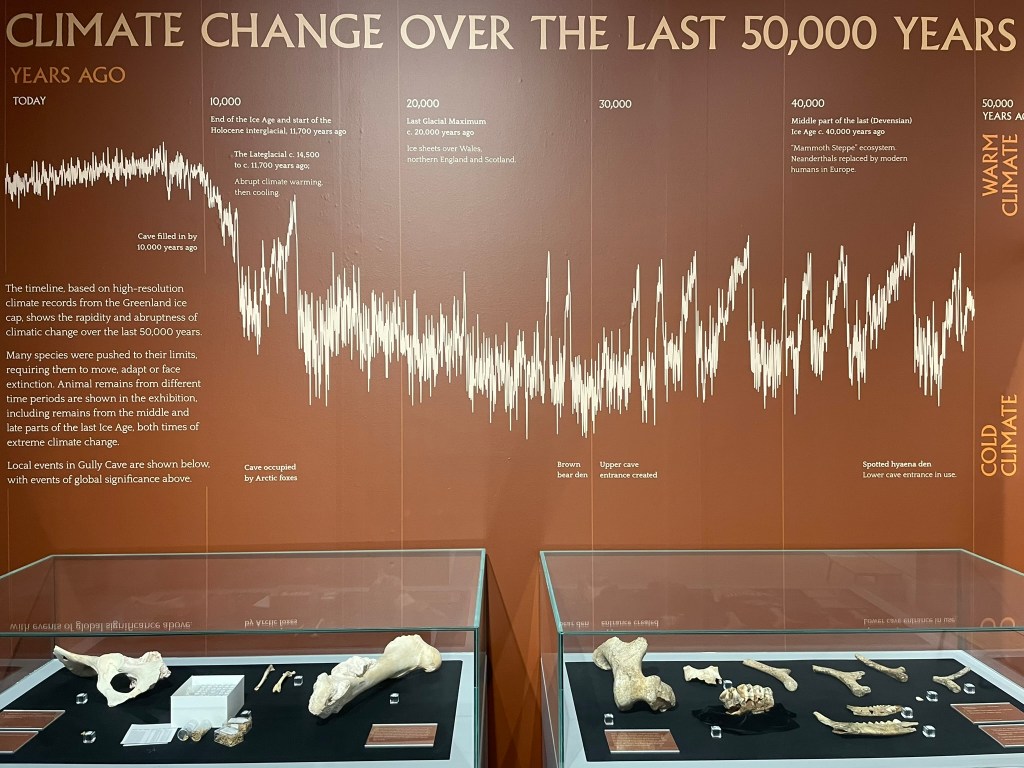
The exhibition incorporates both digital and analogue animation alongside material from Schreve’s fifteen year excavation of Gully Cave in the Mendip Hills, Somerset. The most important site of its kind in Europe, Gully Cave is slowly yielding a high resolution image of the impacts of a changing climate on mammal species over the last 100,000 years. Through this we can predict what abrupt changes in the future may hold for those species that are not already extinct and the surviving kin of those now gone. Both the artworks and the science draw on the collections and archives of the Natural History Museum London, Amgueddfa Cymru – National Museum Wales, Buxton Museum and Art Gallery, Manchester Museum, Torquay Museum and Wells and Mendip Museum.
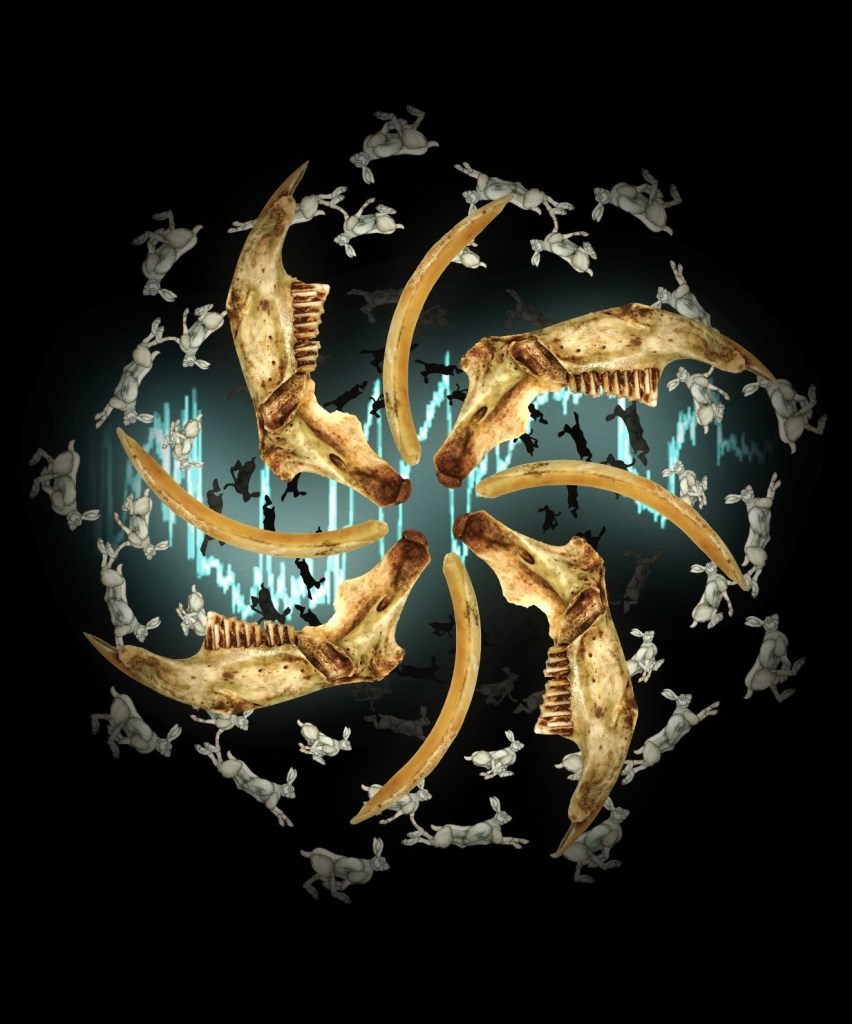
The titular ‘Cave Hunters’, whilst open to a variety of interpretations, refers to the name coined for the succession of Victorian gentleman naturalists who, in investigating the caves of England and Wales, gradually evolved the disciplines of geology and archaeology. The extended struggle to reconcile their findings with the Flood Story of the Old Testament – their Truth – eventually gave way to the scientific understanding both of humanity’s deep past and that of the planet. The animated works constitute a succession of ‘windows’ on the minds of the dramatis personae as they sought to fathom the vast natural forces that precipitate climate and environmental change. This narrative progression ultimately leads us to the present day and the work of contemporary researchers such as Schreve and her past PhD students, now established scientists in their own right.
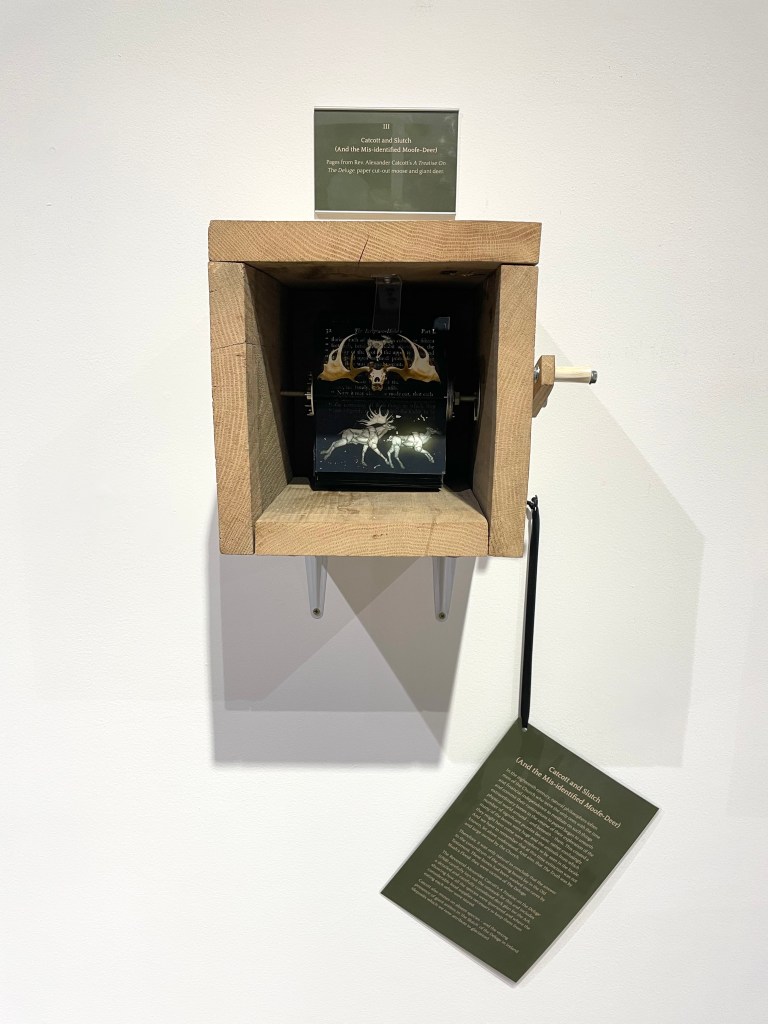
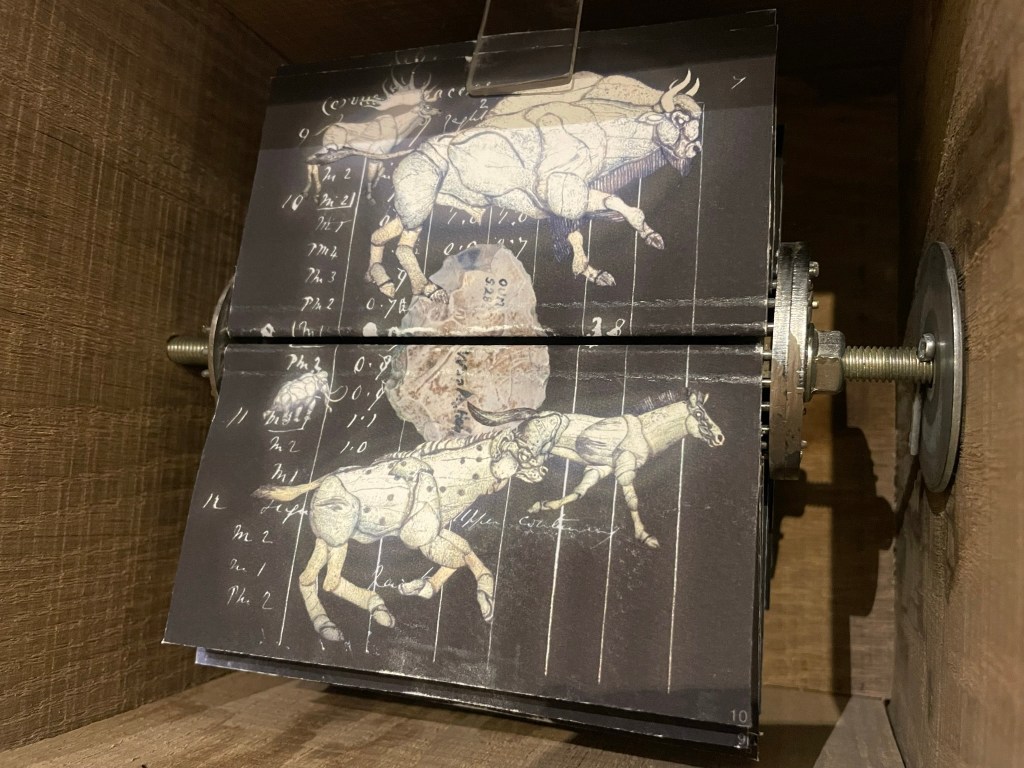
Only two hundred years ago it was held that The Deluge was the agency through which the bones of exotic – and curiously absent – beasts had been washed into the caves. Across cultures, similar flood stories were – and still are – part of an enduring rationalisation of the universe that over millennia became myth. Thus, the work also explores the function of mythologies and ritual storytelling in maintaining memory and reconciling our place in the Grand Scheme of Things. It raises questions of Western science, which, when practiced with rigour and integrity, is indisputably a powerful tool for forming truth. But does it provide all the answers? Can it ever be a panacea for the more fragile aspects of the human condition? And what happens when its rigour falls prey to ego?
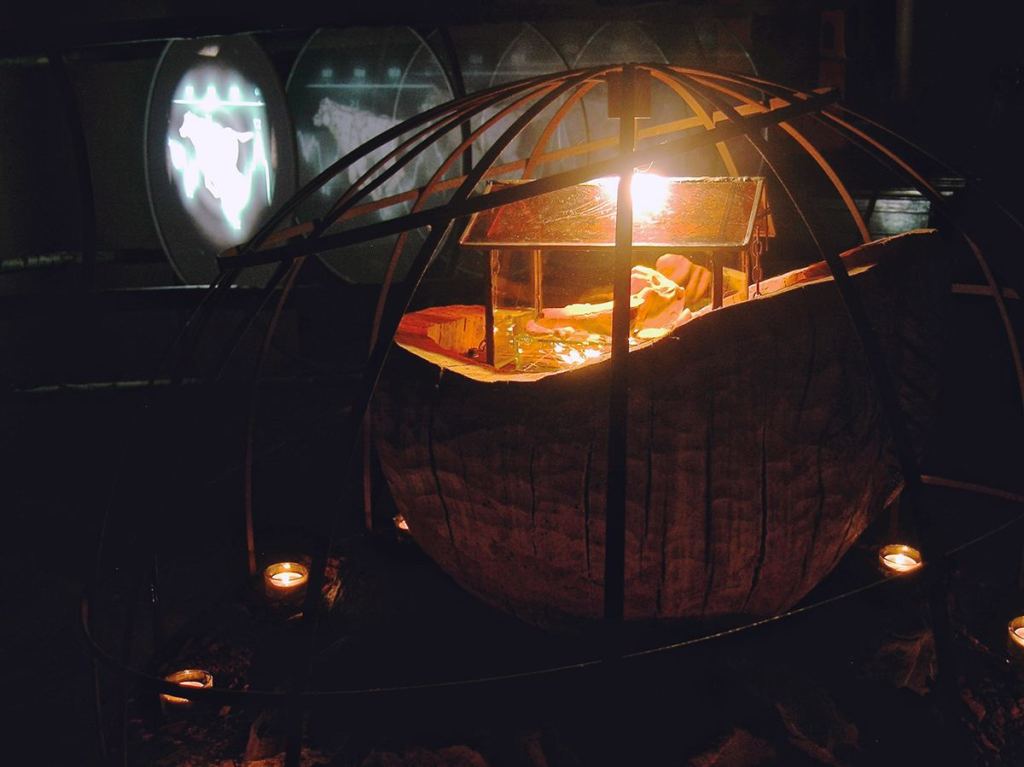
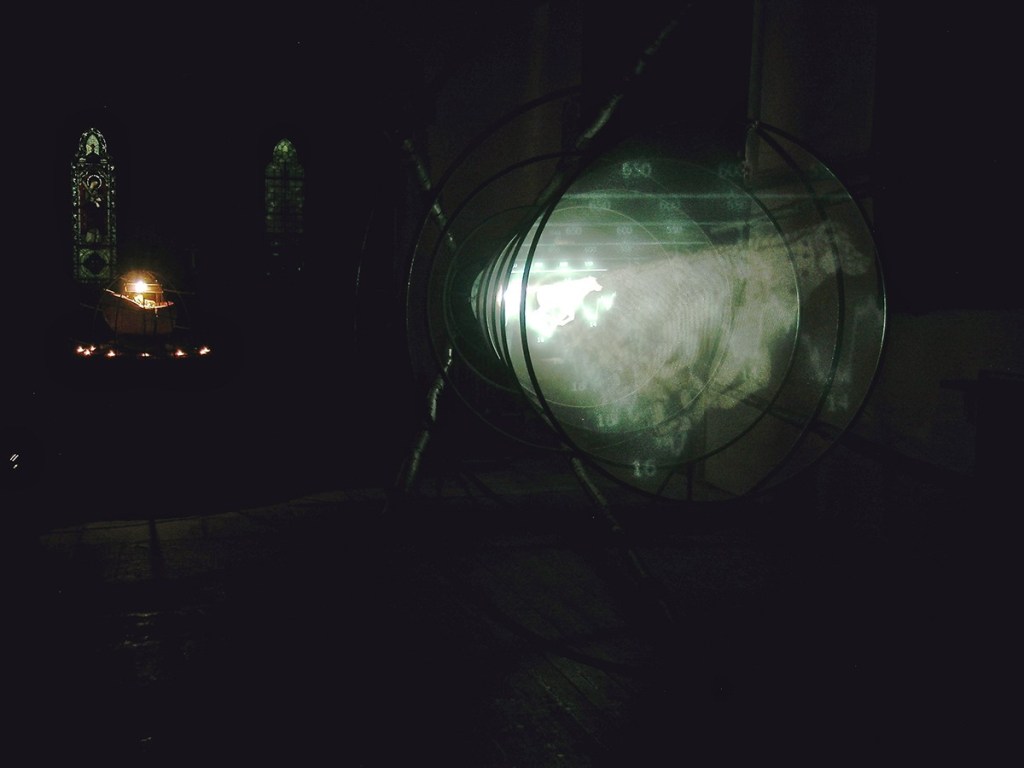
The principal character in the work is however not human; rather a chattering bone cruncher that we more immediately associate with warmer climes – but which, as an inhabitant of our landmass for 650,000 years, is more of an indigenous species here than we are. Geological time may well prove the absence of the hyaena from our hills to be a blip. But as the unfairly vilified emblem of greed and slyness whose ‘laughing’ vocalisations express unease and nervous tension, it nevertheless lingers in the landscapes of our psyche, holding a mirror to the darker side of the human condition in the twenty-first century.
 Sean Harris Artist Animation Wales