Charles Darwin wrote:
‘I distinctly remember the desire I had of being able to know something about every pebble in front of the hall door’.
Without exception, all of the artists, archaeologists, scientists, farmers, teachers and generally sparky people with whom I’m fortunate to work share a keen eye and an unquenchable thirst for discovery. They are insatiably curious; driven by a desire to explore and to leave no stone unturned.
It’s sometimes as though they exist in a constant state of astonishment – apart that is, from the time they all have to spend doing humdrum stuff. But it’s this state of ever-present possibility and a sense of what might be that carries them through the grind, that makes the sloggy bits bearable.
How do we foster this, so as to propagate the next generation of explorers? People who will go through life carrying with them a state of wonder and possibility? Who want to learn, to read, to imagine…
My work with Carreghofa School leaves me wondering whether this deeply inquisitive mindset is a matter of nature or nurture in four and five year olds. It’s certainly not ubiquitous. Maybe there is a bit of both, but I’ve a strong suspicion – founded on nothing but intuition – that it’s mostly learnt: that (as with so many things) experiences with family are critical. But also that it can easily be teased out where it’s less apparent. The latent potential is always there.


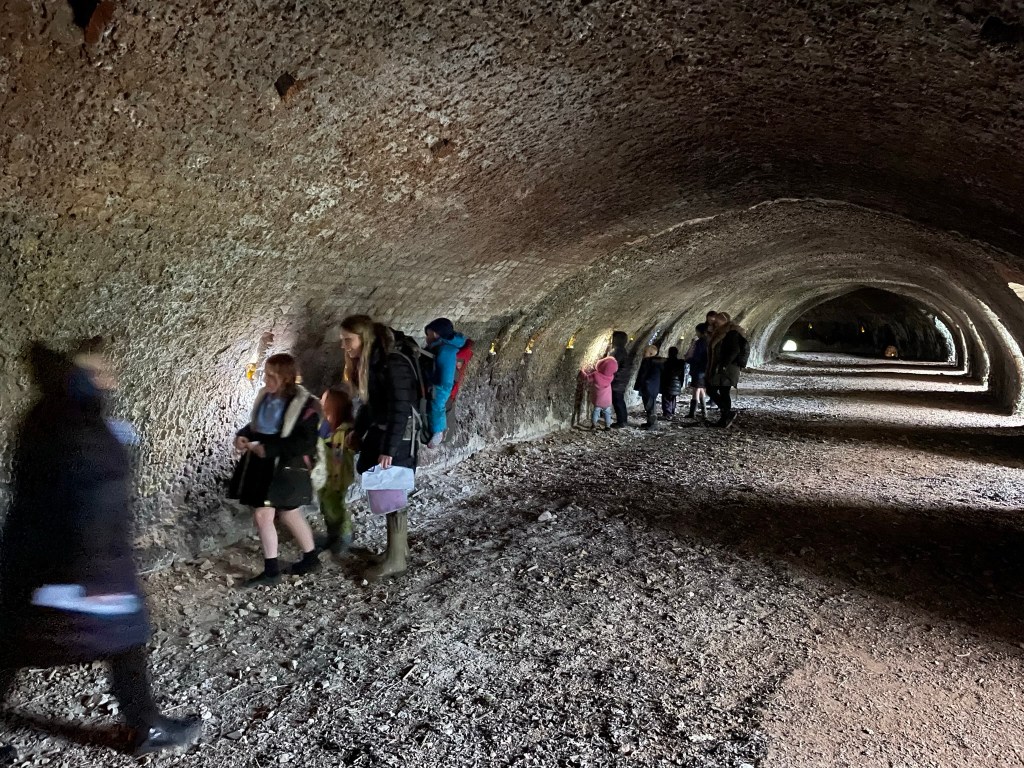
Together we created Amgueddfa Carreghofa (Carreghofa Museum): a place of special things, to be shared with family in a one night stand in an old lime kiln near the school, set amidst a beautiful conservation area.

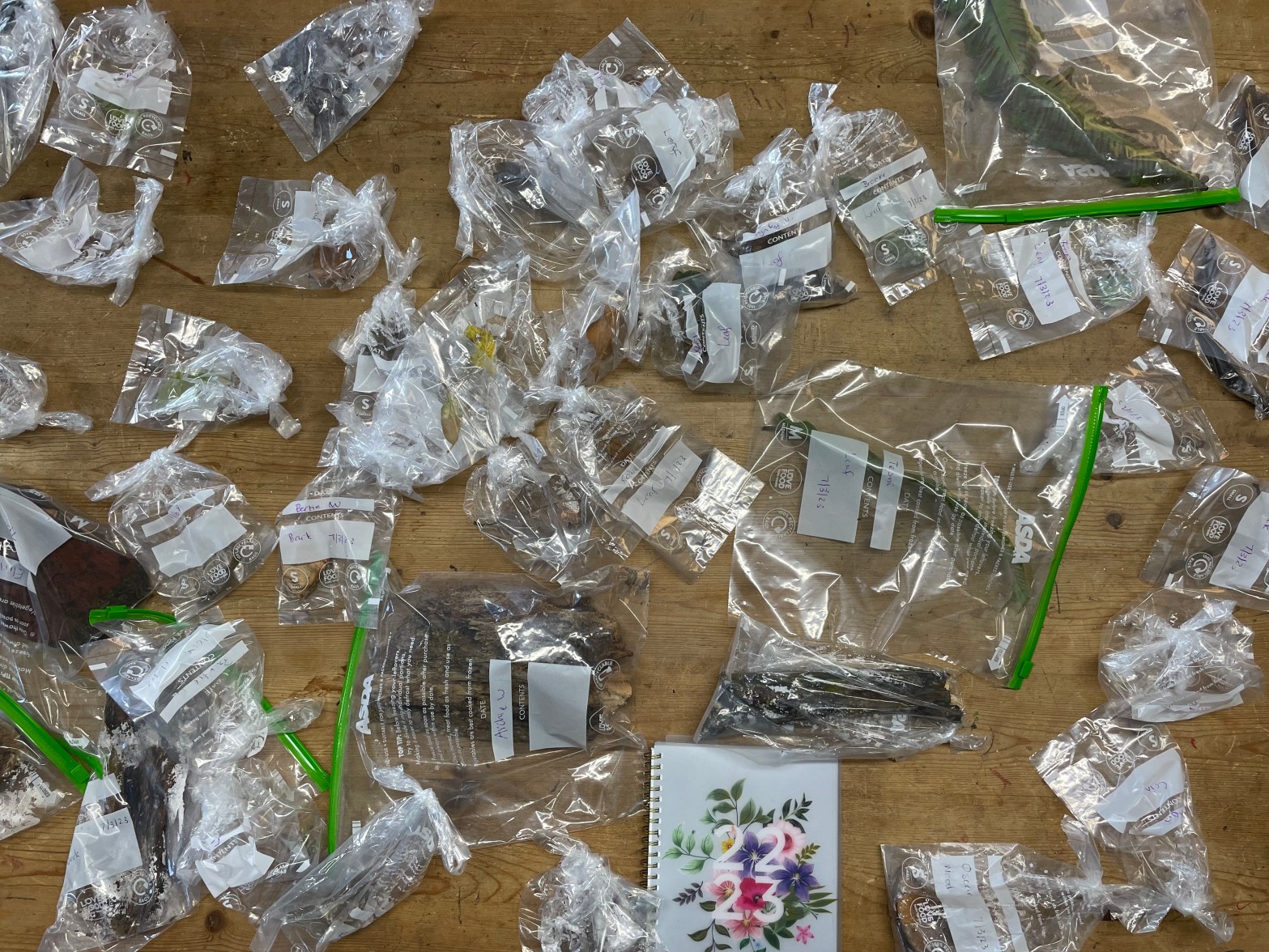
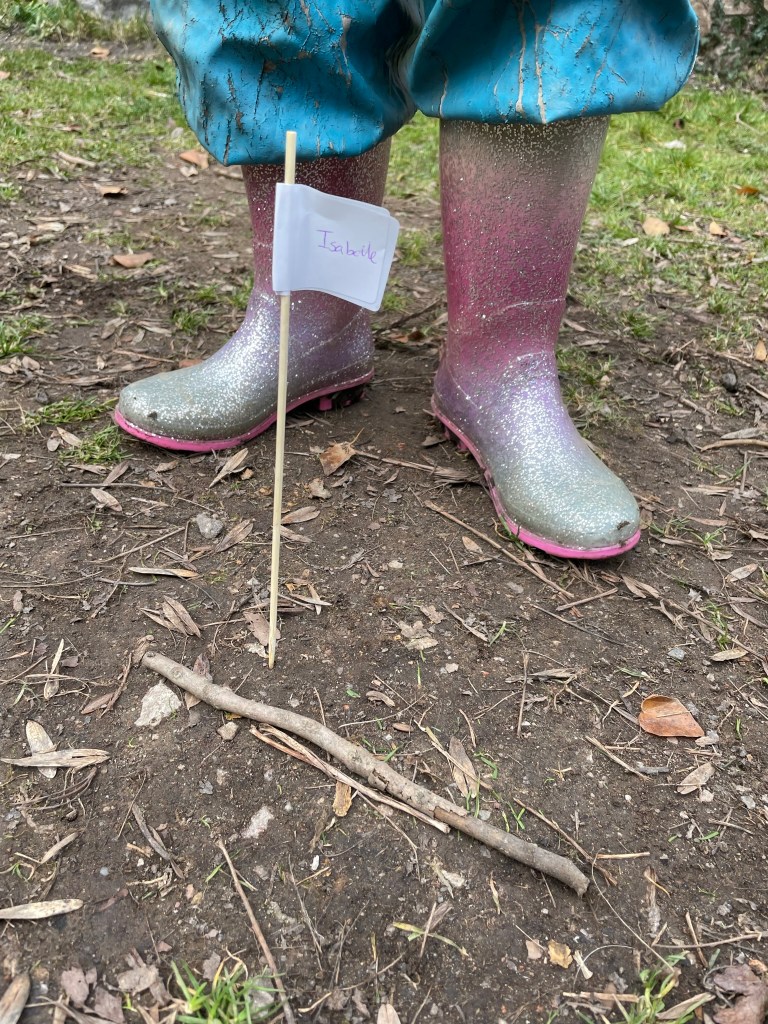
On a field trip, pupils were asked to explore the woodland and to find a single object that ‘spoke’ to them; something special which aroused their curiosity – for whatever reason. ‘Find spots’ were recorded using very precise GPS marking (context is everything, both in archaeology and the natural sciences) and when it came to curation, the children were encouraged to write a very short label for the museum display which explained why their finds were important to them. Some were so engaged, excited and fascinated by the various sticks, leaves, feathers and stones they came across. Others just didn’t get it at all. What’s going on here?

We’d also been looking at some material that had once belonged to Amgueddfa Cymru – a collection of taxidermied birds – alongside Robert Macfarlane and Jackie Morris’ wonderful ‘The Lost Spells’ (poems to be read aloud in nature) and so we included some of these in the museum. But it became abundantly clear that it was their own finds that the children most wanted to share with their families.


It was quite magical and took no more than a pack of freezer trays, some tea lights, a will to explore and some imagination to create. And you’d like to think it’s sown an acorn in each and every young mind – whose transformation into a mighty oak will now be difficult to suppress. But some of those minds are much more receptive than others, even at this age. It’d be fascinating to follow it through: to see who ends up where…

 Sean Harris Artist Animation Wales